Land Acknowledgement
The South Canadian Rockies Tourism Association respectfully acknowledges that we work and welcome visitors on the traditional territories of the Niisitapi of the Blackfoot Confederacy—Siksika, Kainai, and Piikani—the Tsuut’ina Nation, and the Métis Nation and its people.
We are committed to respectful relationships and meaningful reconciliation through our work in tourism and destination stewardship in the region and beyond.
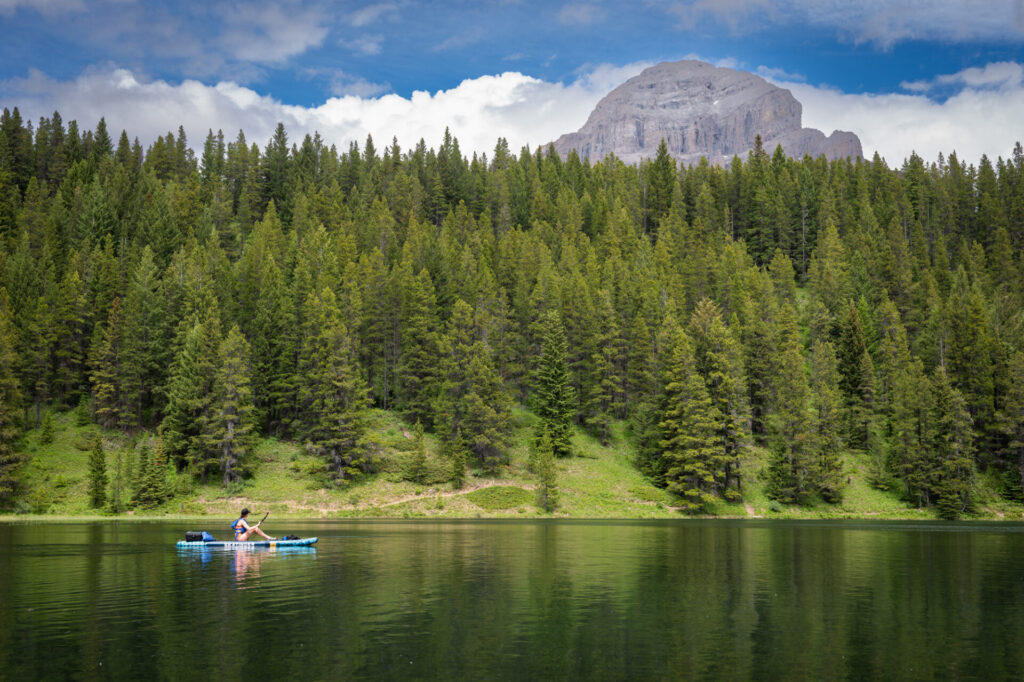
Omahkai’stoo – Crowsnest Mountain
To the Blackfoot people (Siksikaitsitapi), Crowsnest Mountain is known as Omahkai’stoo (meaning Big Raven Mountain). This sacred standalone peak serves as a vital guide, marker, and protector for humans, migrating birds, and animals passing through the Rockies. According to traditional storytelling shared by Ninna Piiksii (Mike Bruised Head), the mountain became Raven’s home following an agreement with Thunder, and the peak continually reminds Thunder to treat people well. For generations, the Siksikaitsitapi utilized the area to camp, hunt buffalo, and perform spiritual fasting, leaving behind a rich archaeological heritage of tipi rings and sacred rock mounds. Despite this deep connection, colonial displacement pushed the Blackfoot people onto prairie reserves, resulting in a painful loss of mountain culture, language, and ceremonial history. However, contemporary elders emphasize an enduring spiritual need to reconnect with Omahkai’stoo as a guiding force.
Omahkoohkaa – Turtle Mountain
At 4:10 a.m. on April 29, 1903, the summit of Turtle Mountain collapsed. In just 90 seconds, 82 million tonnes of rock hurtled into the Crowsnest River valley below, killing at least 90 people in Canada’s deadliest rockslide. The disaster struck the edge of the coal-mining town of Frank—located in what is today southwestern Alberta—leaving a scene of devastation hidden by the pre-dawn darkness.
While settler rancher Louis O. Garnett later named the peak “Turtle Mountain” for its shell-like shape, the region’s Indigenous peoples had long understood its dangers. Oral traditions of the Blackfoot and Ktunaxa (Kootenay) referred to the peak as “the mountain that moves,” and they intentionally avoided camping in the area impacted by the slide.
This caution likely stretched back thousands of years. Prehistoric peoples who mined chert (flint) in the valley up to 5,000 years ago would have traversed the mountain’s crest. Along the summit ridge, they likely saw the massive cracks, widening fissures, and seasonal rockfalls that served as an ancient, unheeded warning of the disaster to come.
Visitors to the area can learn more about Canada’s Deadliest Rockslide at the Frank Slide Interpretive Centre.
frankslide.ca
Estipah-skikikini-kots – Head-Smashed-In Buffalo Jump
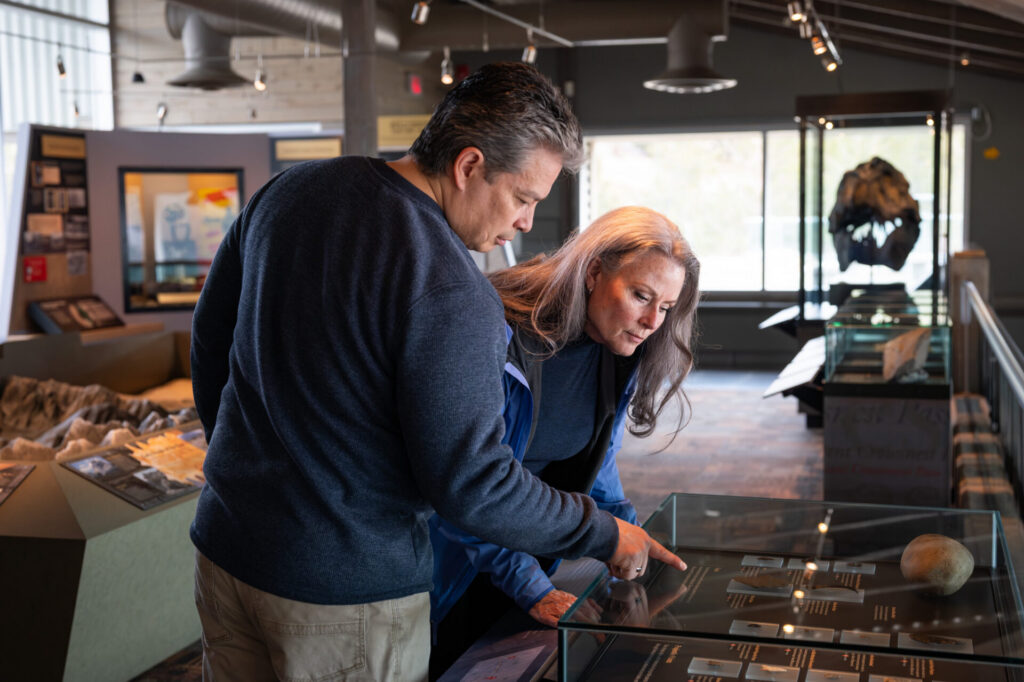
For those wanting an in-depth Indigenous experience, Head-Smashed-In Buffalo Jump is a must-see attraction. Known in Blackfoot as Estipah-skikikini-kots, it is a premier UNESCO World Heritage Site that offers travellers an immersive look into thousands of years of Plains Buffalo culture. As one of the world’s oldest, largest, and best-preserved buffalo jumps, it powerfully testifies to the Siksikaitsitapi’s sophisticated communal hunting techniques and their profound spiritual relationship with the buffalo. For tourists exploring the legendary Crowsnest Pass area—renowned as a rich archaeological zone in the Canadian Rockies—this site is a vital cultural neighbour. Visitors can engage with this living history through the interpretive center’s extensive exhibits and vast landscapes, or attend seasonal “Drumming and Dancing on the Plaza” events for authentic Blackfoot performances outdoors.
headsmashedin.ca
Destination Blackfoot
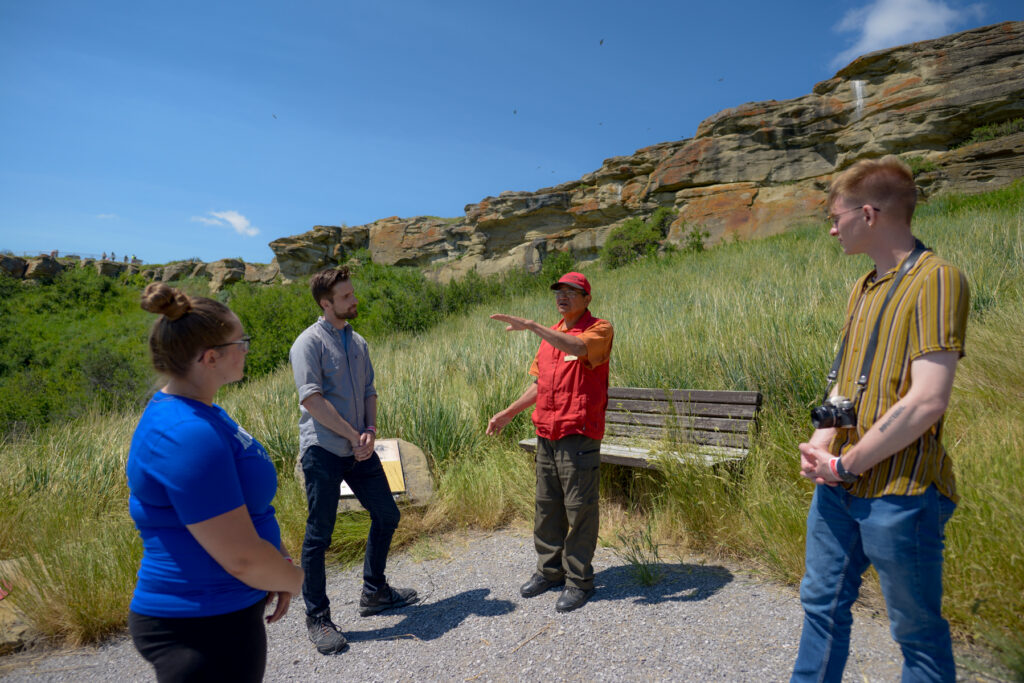
Destination Blackfoot is a tourism initiative led by the Blackfoot Confederacy Tribal Council and the four Blackfoot Nations—Siksika, Kainai, Piikani, and Aamskapi Pikuni—serving as the official starting point for authentic Indigenous experiences shared directly by Blackfoot people. Grounded in community and history, the project aims to honour and share Blackfoot culture and visitors’ experiences across their traditional territories while inviting travellers to “go beyond the usual” to connect deeply with the land and its people. Visitors can use the platform’s member directory to discover Blackfoot-owned businesses, such as artists, cultural guides, and accommodations, or explore an exclusive Asset Map that highlights hidden gems and must-see attractions throughout the Confederacy. Ultimately, Destination Blackfoot serves as a collaborative network that fosters meaningful connections between visitors and the stories and places that shape the Blackfoot homeland. To learn more about Destination Blackfoot, visit the Destination Blackfoot site or check out our blog article.
destinationblackfoot.com
Pow Wows
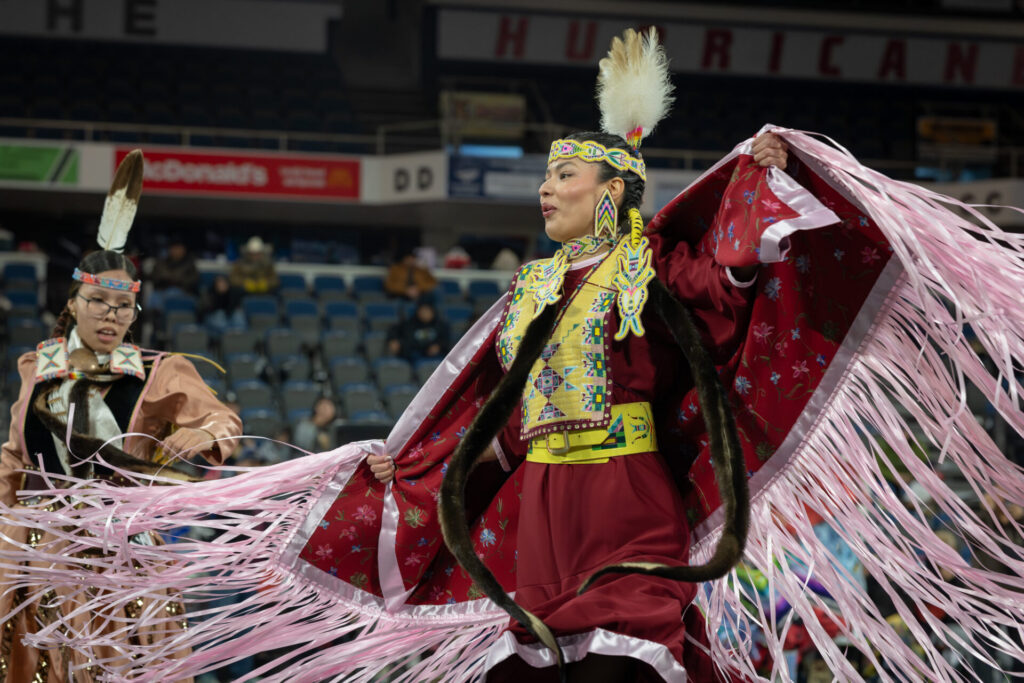
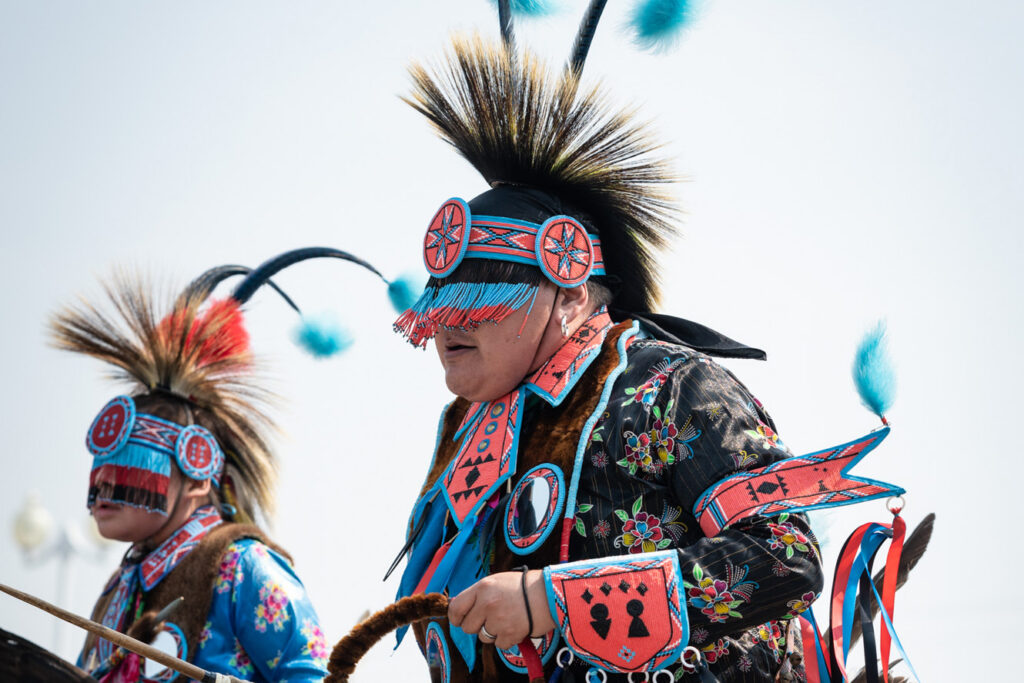
Attending a pow wow is a spectacular and joy-filled way to experience the living culture of the Siksikaitsitapi, as these public celebrations are open to everyone and serve as vibrant hubs for life, community, and heritage. Visitors are in for a sensory treat, immersed in an electric atmosphere defined by the rhythmic thrum of the drum—often called the “heartbeat of Mother Earth”—and the mesmerizing display of colours from intricate, hand-crafted regalia. Beyond enjoying cherished songs and dances, guests have a unique opportunity to learn about other cultures and build friendships, and are invited to join inclusive “Intertribal” dances. The experience is further enriched by the chance to savour legendary local flavours like fresh frybread, Indian Tacos, and Saskatoon berry soup while browsing marketplaces for authentic, handmade Indigenous arts and gifts. Ultimately, attending a pow wow in Southern Alberta lets visitors witness the palpable pride and spiritual renewal of a community honouring its ancestors, offering a meaningful, unforgettable connection to the territory’s traditional heart. For more information on what to expect when attending a pow wow, check out our blog article. This summer’s pow wow lineup is listed below.
| Location | Venue | Event Name | Date(s) | Most Recent Link |
| Browning, MT | Stampede Park | North American Indian Days | July | https://www.facebook.com/NDNDAYS |
Cardston, AB | Lions Park | Bridging the Gap Pow Wow | July | https://bloodtribe.org/bridging-the-gap-powwow-july-15-2026-cardston-ab/ |
Standoff, AB | Red Crow Park | Kainai Pow Wow & Celebration | July | https://www.facebook.com/kainaipowwow/ |
Brocket, AB | Crowlodge Park | Piikani Nation Celebration & Pow Wow | August | https://piikanination.com/67th-annual-celebration |
Lethbridge, AB | Excite Lethbridge | Lethbridge & District Siksikaitsitapi Pow Wow | August | https://www.excitelethbridge.ca/event-details/siksikaisitapi-pow-wow-1 |
Butte, MT | Civic Center | Southwest Native Community Pow Wow | September | https://calendar.powwows.com/events/annual-southwest-native-community-pow-wow/ |
Lethbridge, AB | Excite Lethbridge | Honouring Traditions & Artisan Expo | September | https://www.htrsociety.org/powwow-artisan-expo |
| Lethbridge, AB | VisitLethbridge.com Arena | International Peace Pow Wow & Festival | February | https://www.facebook.com/p/International-Peace-Pow-wow-Festival-100064191602870/ |